Since the establishment of Fidene and Unijuí, the university has always maintained a strong connection with culture. It continues contributing to society through its activities and projects within culture, sports, and leisure.
Director Pestana Anthropological Museum
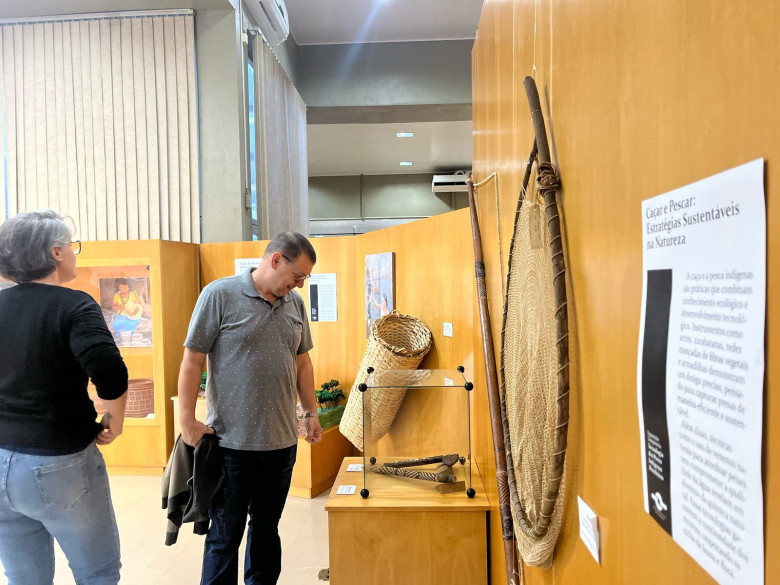
On May 25, 1961, the Director Pestana Anthropological Museum was founded with the aim of preserving regional memory through the collection of historical artifacts, while also promoting culture, education, and leisure.
Today, the museum is housed in a building with a total area of 1,618 m², featuring a research room, a specialized library, climate-controlled environments for the preservation of the collection, exhibition spaces, and social areas adapted for accessibility.
In line with the goals envisioned by its founders, the museum has become a dynamic museological and documentary center that preserves documents of various types. It serves as a platform for representing the regional history and promoting the cultural identity of the Northwestern region of Rio Grande do Sul through research, exhibitions, and socio-cultural events.
Unijuí Choir
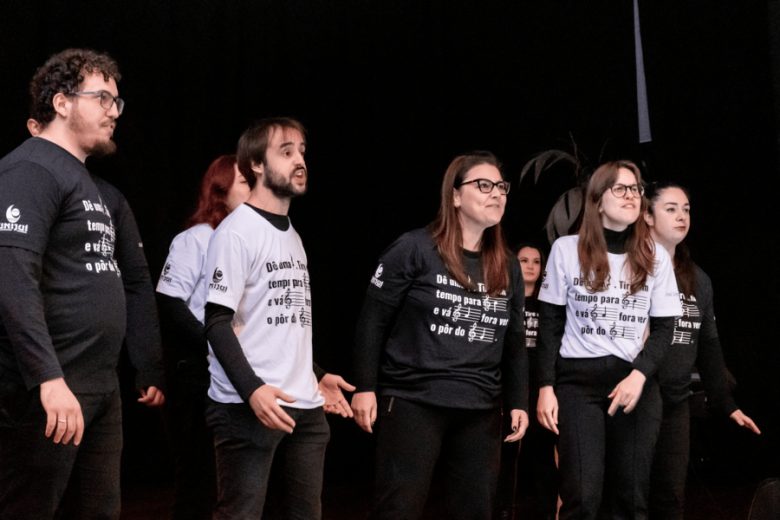
The Unijuí Choir is an integration environment between university and community that brings culture in the form of music to different audiences. For more than 30 years the history of the Unijuí Choir takes part in the cultural history of the region, bringing joy through music. The group is made up of students, teachers, staff, alumni, and community members.
Cadagy Company - Body in Movement
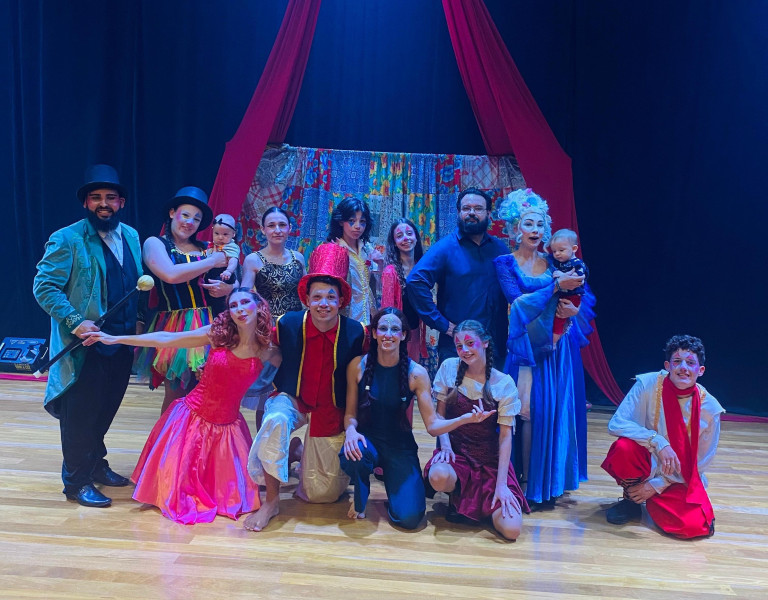
Cadagy Company - Body in Movement is a project that promotes and encourages cultural and artistic activities within the local and regional communities through performances and shows that combine multiple artistic expressions, such as music, dance, acrobatics, performing arts, martial arts, circus arts, and juggling. Composed of students from the university as well as members of the broader community, it serves as a space for both personal and professional growth for its members, while also fostering the integration of the university with the surrounding community, bringing culture to diverse audiences of all ages.
Ethnic Diversity
Ijuí, where Unijuí’s main campus is situated, is known as Land of Diverse Cultures and recognized aby the International Organization of Folk Art (IOV) as the World Capital of Ethnicities, housing an important ethnic association coordinated by the Ethnic Union of Ijuí with its annual National Festival of Diverse Cultures. Ijuí is located in one of the most fertile regions of Rio Grande do Sul, and it was the first colonisation project of the Brazilian Republic.
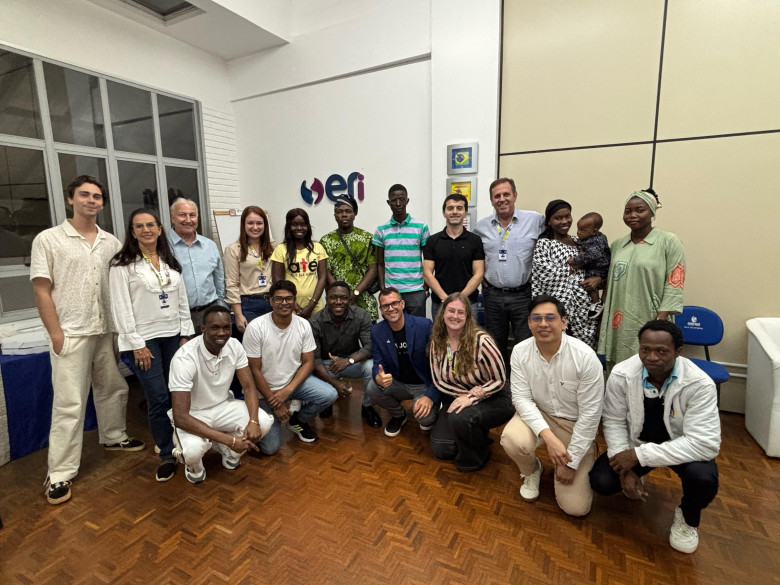
In 1890 it was inhabited predominantly by three different groups of immigrants: Polish, Germans and Italians. The unique characteristics of the town attracted new waves of immigration, including Latvians, Portuguese, Austrians, Afro-Brazilians, Swedish, Spanish, Arabian, and Dutch ones. Our ethnic and cultural diversity enriches the experience for foreign students at Unijuí.